5 Easy Home Remedies for Anxiety That Support Your Nervous System
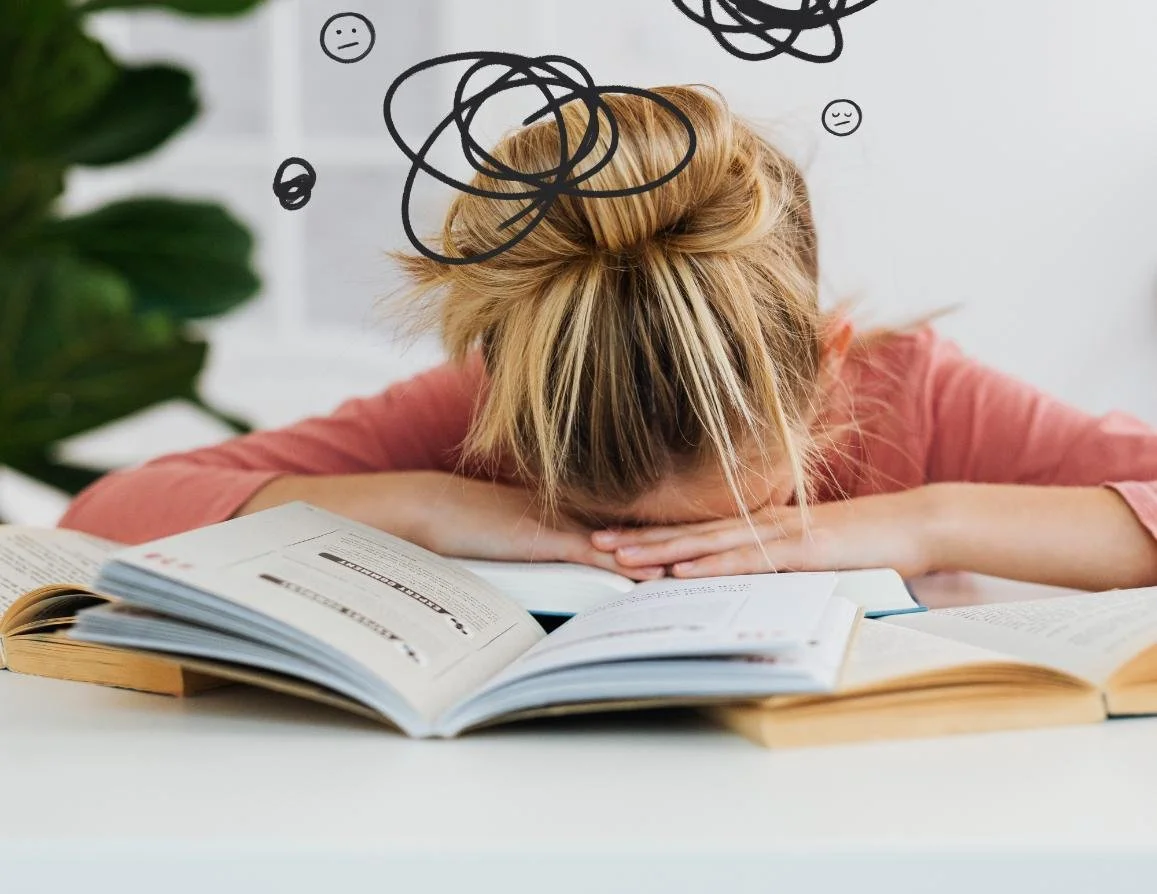
Anxiety is not random, and it’s not a personal failure. Anxiety is a nervous-system response rooted in safety and survival. Your body is constantly scanning for potential threats, and when it perceives something as unsafe, could be physical, emotional, or environmental, it responds with anxiety symptoms designed to protect you.
Rates of anxiety symptoms have risen dramatically in recent years, especially among young and middle-aged adults. Between global uncertainty, social pressure, and ongoing stressors, many people are living in a near-constant state of activation. While anxiety disorders can look different from person to person, they often share a common thread: a nervous system stuck in overdrive.
The good news? There are simple, affordable home remedies for anxiety that can help reduce anxiety both in the moment and over time. At the center of many of these tools is the vagus nerve — a major player in mental health, stress regulation, and nervous system balance. Understanding how to work with your body instead of against it can make anxiety feel far more manageable.
Understanding Anxiety and the Nervous System
Anxiety is one of the most common mental health experiences, and it exists on a spectrum. For some, it shows up occasionally during stressful seasons. For others, it may be part of an anxiety disorder such as generalized anxiety disorder.
Rather than being “all in your head,” anxiety is deeply rooted in the nervous system. When your brain perceives danger — real or imagined — your body shifts into a fight-or-flight state. Heart rate increases, breathing becomes shallow, muscles tense, and digestion slows. These physical symptoms are designed to help you survive a threat, not relax on the couch.
Problems arise when the nervous system has difficulty returning to a rest-and-digest state. Over time, this can lead to chronic stress, persistent anxiety symptoms, and a feeling of being “stuck” in survival mode.
The Vagus Nerve and Its Role in Anxiety
The vagus nerve is one of the most important nerves in the body. It runs from the brainstem down through the chest and abdomen, connecting to major organs including the heart, lungs, stomach, and intestines.
This nerve plays a vital role in regulating heart rate, digestion, blood pressure, mood, speech, and stress response. Its primary job is to support the body’s rest-and-digest state, the opposite of fight-or-flight.
When the vagus nerve is stimulated, it sends signals to the brain that the body is safe. This can help reduce anxiety symptoms, support stress management, and even interrupt panic attacks. Improving vagal function doesn’t just help relieve anxiety in the moment; it can also build long-term nervous system resilience.
5 Home Remedies for Anxiety You Can Try Today
1. Sour Candy for Anxiety Relief
This might sound like a TikTok trend, but it’s grounded in nervous system science. When anxiety symptoms rise or a panic attack feels imminent, sour candy can act as a powerful grounding tool.
First, intense taste provides sensory distraction, pulling the brain’s attention away from spiraling thoughts. Second, the vagus nerve is directly involved in taste sensation, meaning sour flavors actively stimulate the nerve.
This tool works best as a short-term grounding technique. Its effectiveness can vary depending on your tolerance for sour flavors and your overall vagal tone—how quickly your nervous system can recover from stress. Keeping sour candy accessible at home, in your bag, or in your car makes this one of the most affordable and easy home remedies for anxiety.
2. Icing It Out: Cold Therapy for Anxiety
The vagus nerve travels through the chest and throat area, meaning external cold exposure in this region can influence heart rate and nervous system activity.
Placing an ice pack (or even a frozen bag of vegetables) on the chest or throat can help activate the vagus nerve, slow the heart rate, and interrupt panic attacks. Cold therapy works by briefly shifting the body’s sensory input, helping calm an overstimulated nervous system.
When used appropriately, this natural remedy can be especially helpful during intense anxiety symptoms when it feels difficult to slow things down mentally.
3. Humming or Gargling to Improve Vagal Tone
Humming and gargling may not feel like traditional anxiety tools, but they play a powerful role in long-term stress management. Unlike some remedies designed for immediate relief, this practice focuses on improving vagal tone over time.
The vagus nerve innervates the vocal cords, which are actively engaged during humming and gargling. These activities have been shown to reduce heart rate and improve heart rate variability which is a key marker of how well the body adapts to stress.
Research shows these practices can improve heart rate variability, a key marker of nervous system resilience.Spending just two minutes a day humming or gargling can help the nervous system become more flexible, making it easier to manage stress and regulate anxiety symptoms long term. This is a simple, free mental health practice that builds resilience rather than just reacting to stress.
4. Cold Exposure for Building Stress Resilience
Cold exposure can be a powerful tool for reducing anxiety symptoms over time, but it’s important to approach it gradually and safely.
Options include placing hands in ice water, dunking the face briefly, ending showers with cold water, or cold plunges. The goal is controlled exposure that teaches the nervous system how to experience stress and return to baseline more efficiently.
This practice is not recommended during periods of acute trauma or extreme anxiety, as cold initially increases the stress response. However, for those in relatively stable circumstances, gradual cold exposure may improve nervous system flexibility and reduce the frequency and duration of anxiety symptoms.
5. Belly Laughing and Emotional Release
Anxiety isn’t funny, but laughter is still a legitimate nervous-system regulation tool.
Deep belly laughter stimulates the vagus nerve through coordinated activity of the vocal cords, lungs, and gut. This triple activation sends strong signals of safety to the nervous system.
Even watching a funny video or laughing at a memory can help relieve anxiety and reduce physical symptoms. It may feel counterintuitive, but laughter doesn’t minimize anxiety and it helps the body discharge it.
Choosing the Right Tool Based on Your Anxiety Level
Anxiety exists on a spectrum, and no single tool works for every situation. Some home remedies for anxiety are better suited for intense panic attacks, while others support long-term stress management.
Having multiple tools available allows for flexibility. You might reach for sour candy or ice during high-intensity moments, while humming or cold exposure supports regulation over time. Learning to match the tool to the intensity of your anxiety symptoms empowers you to manage stress more effectively.
When to Seek Additional Support for Anxiety
While home remedies can be incredibly supportive, persistent or worsening anxiety symptoms may require additional care. If anxiety interferes with daily life, sleep, relationships, or work, it’s important to seek help from a mental health professional.
Therapy can be a valuable part of a comprehensive approach to mental health, especially for anxiety disorders or overlapping depression symptoms. Professional support can work alongside nervous-system tools.
Chiropractic Care as Nervous System Support for Mental Health
Home remedies for anxiety can be helpful—but they’re often just the starting point. Lasting mental health support happens when we address how your nervous system is wired, regulated, and responding to stress on a daily basis.
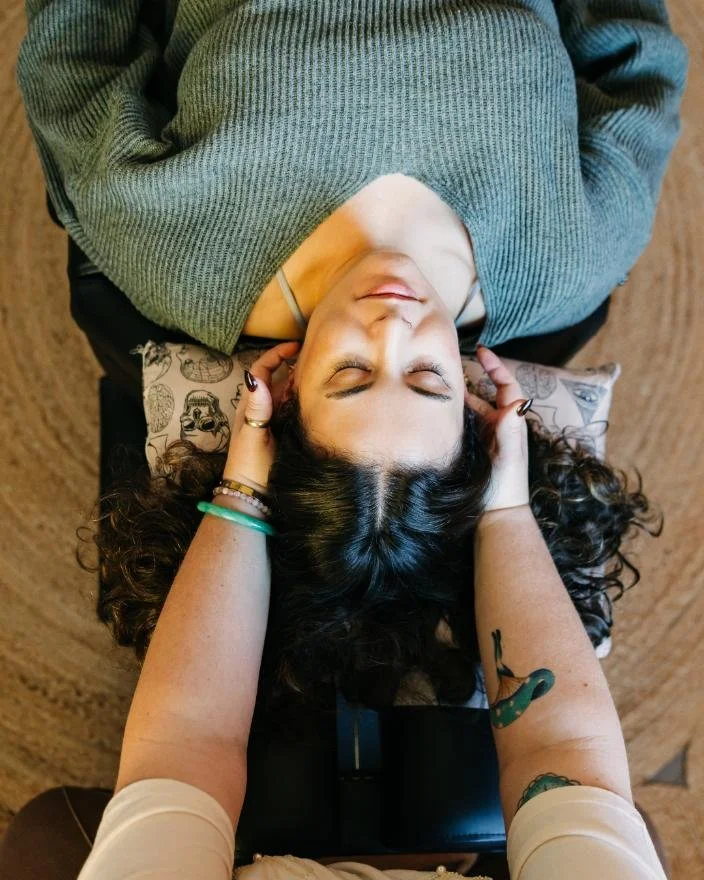
Trauma-informed chiropractic care focuses on the connection between the spine, brain, and nervous system. When your nervous system is stuck in fight-or-flight, anxiety isn’t a mindset problem, it’s a physiological one. Gentle, nervous-system-focused chiropractic adjustments help create more safety and regulation in the body, making it easier to shift out of chronic stress patterns and into rest, clarity, and resilience.
Rather than asking you to “calm down” or manage symptoms alone, chiropractic care offers hands-on support for retraining your nervous system over time. Many patients notice improved emotional regulation, reduced anxiety symptoms, better sleep, and a greater sense of grounding as their care continues.
Natural tools and at-home practices work best when paired with consistent nervous system support and education. If you’re curious about how this approach differs from traditional chiropractic, you can learn more in my post on trauma-informed nervous system chiropractic care, or explore what it looks like to begin care in a space designed to support both your mental and physical wellbeing.
Final Thoughts on Home Remedies for Anxiety
Anxiety is common, human, and manageable. Understanding anxiety as a nervous-system response rather than “something is broken” can be deeply empowering.
Experimenting with safe, accessible home remedies for anxiety gives you more agency in your mental health journey. With time, consistency, and the right tools, it is possible to reduce anxiety, build resilience, and feel more at home in your body.
-Dr. Savannah
FAQs About Home Remedies for Anxiety
What are the most effective home remedies for anxiety?
The most effective home remedies for anxiety are those that support nervous system regulation. Tools like sour candy, cold therapy, humming or gargling, gentle cold exposure, and belly laughing can help reduce anxiety symptoms by calming the body’s stress response. Effectiveness varies by person, which is why having multiple options available is helpful.
Can home remedies help stop a panic attack?
Yes, certain home remedies can help interrupt or shorten a panic attack. Sensory-based tools like sour candy or cold therapy can ground the body and help shift the nervous system out of fight-or-flight. While these techniques may not eliminate panic attacks entirely, they can make symptoms feel more manageable in the moment.
Are natural remedies safe for anxiety?
Most natural remedies for anxiety are safe when used appropriately and gently. Practices like humming, laughter, and mild cold exposure are generally low-risk. However, more intense tools—such as cold plunges—should be approached gradually and may not be appropriate for everyone, especially those in acute stress or trauma.
When should I seek professional help for anxiety?
You should consider seeking support from a mental health professional if anxiety symptoms are persistent, worsening, or interfering with daily life, sleep, work, or relationships. Professional support can be especially important for anxiety disorders, panic attacks, or symptoms that don’t improve with self-care alone.
Can home remedies replace therapy or medication?
Home remedies for anxiety are supportive tools, not replacements for therapy or medication. They work best as part of a broader mental health approach that may include talk therapy, medical care, and nervous system education. Combining professional support with at-home regulation strategies often leads to the most sustainable results.